
Eleven free sewing tutorials for handmade gifts, from pillowcases and fabric trays to tote bags and a no-sew fabric art piece.

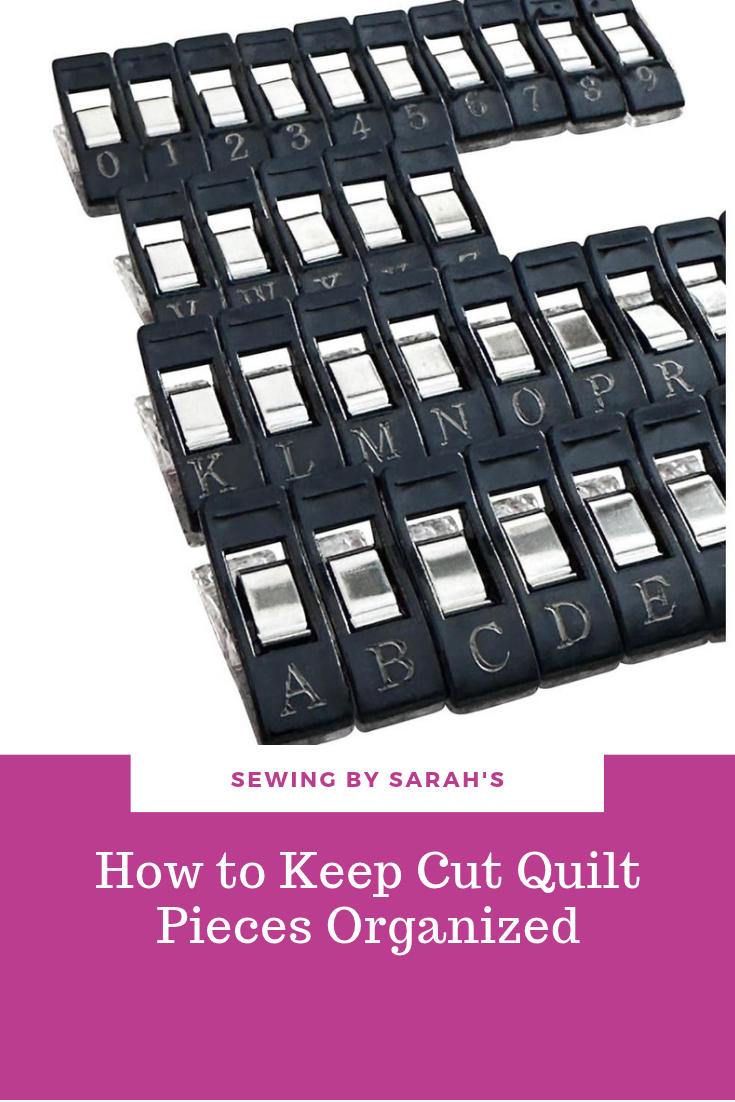
The easiest way to keep cut quilt pieces organized is to label each stack as you cut it, using the letters from your pattern's cutting chart. Here's the system, step by step.

Choose a wool pressing mat at least ½" thick in 100% wool, sized to what you press most: 10" beside the machine, about 20" x 20" for blocks, and a long strip for binding.

Eleven free quilt patterns that each work with just 3 yards of fabric, from beginner strip quilts to foundation paper pieced blocks.

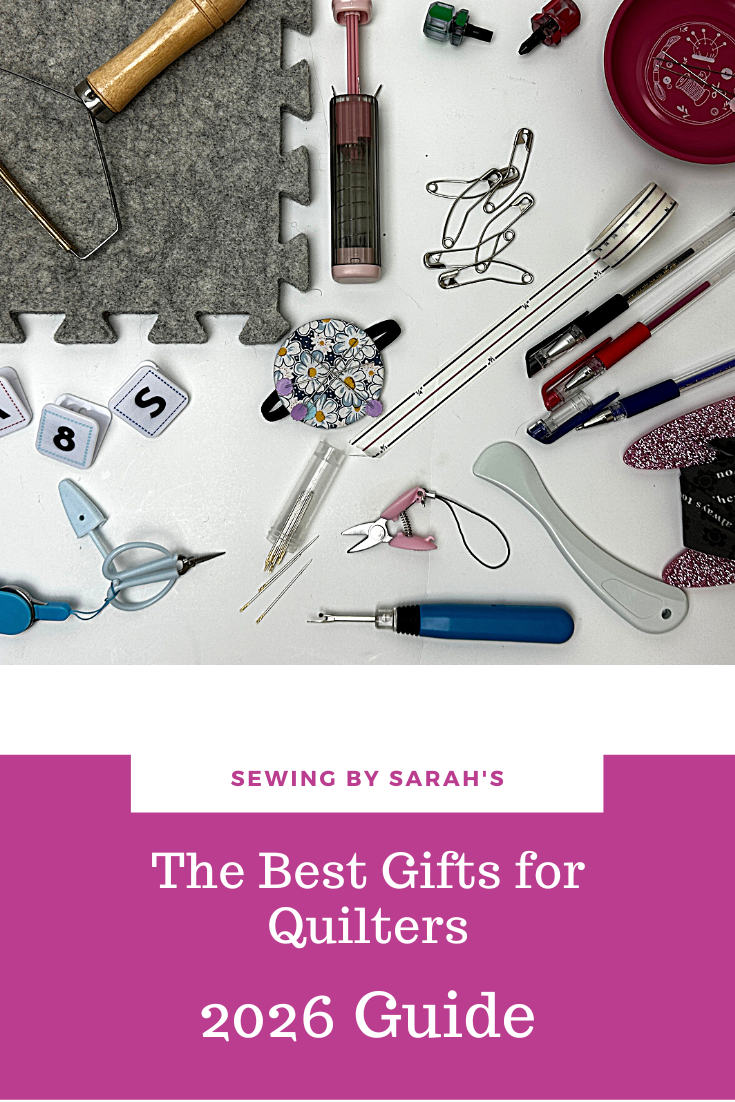
Our picks for the best quilting gifts of 2026, from small stocking stuffers to the tools quilters ask for by name.

After my dad, Ernie, passed away, I knew I wanted to do something meaningful with his well-loved shirts. Follow along as I turn them into memory quilts for our family, share what I learned about quilting with clothing, and show you three simple layouts you can use to create a memory quilt of your own.

How much binding do you need? Add up your quilt's four sides, add 12", divide by 40" and round up for the number of 2.5" strips. Or use our free binding calculator.

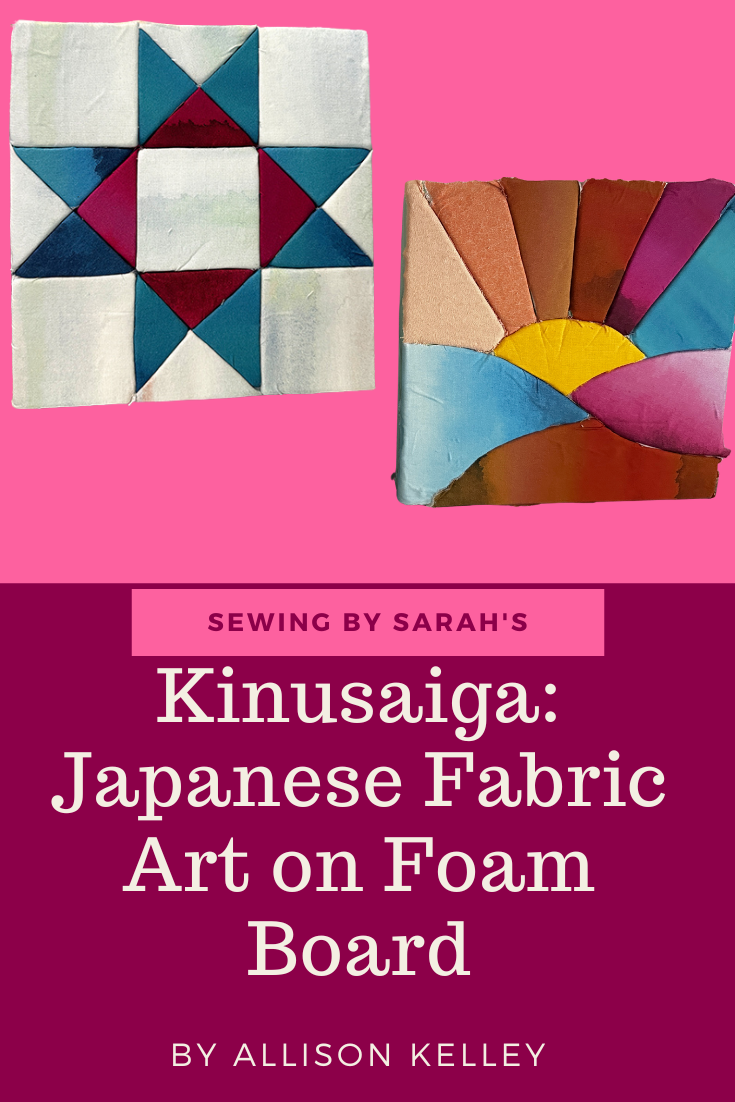
Kinusaiga is a traditional Japanese art form where fabric pieces are pressed into grooves cut into a foam board to create stunning, textured pictures — no sewing required. The word “kinusaiga” roughly translates to “silk picture,” and while you don’t need to use silk, the technique is the same: cut a design into foam, then tuck colorful fabric into each section to bring the image to life.

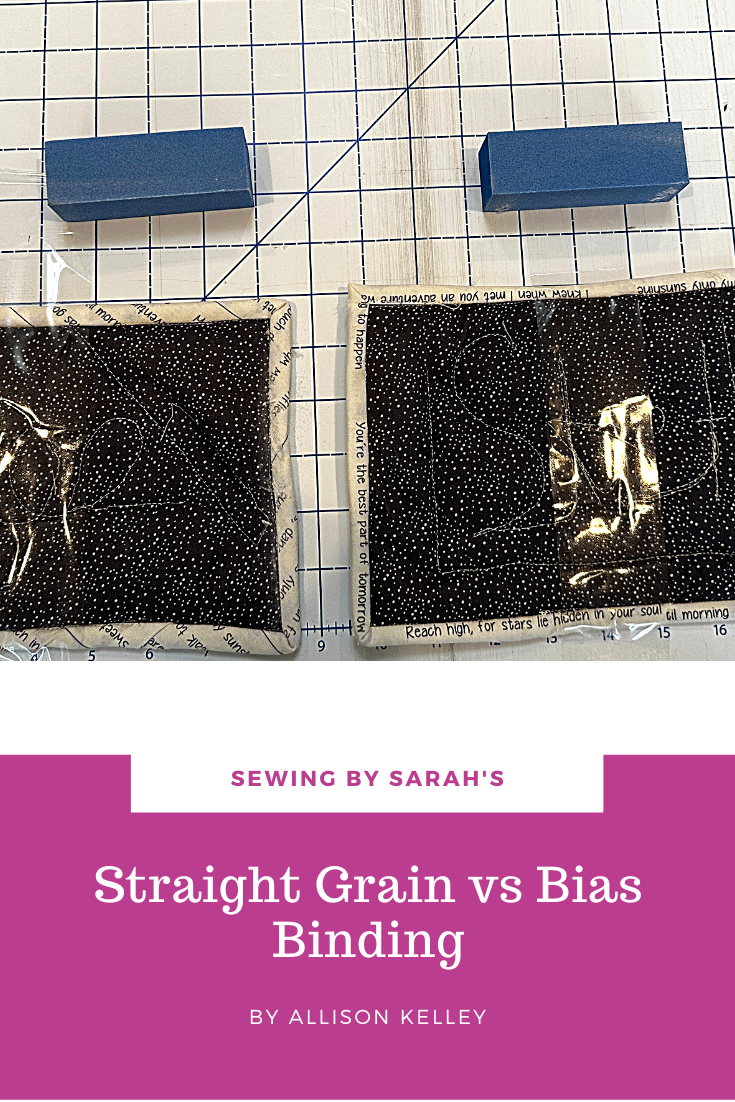
Straight Grain vs Bias Binding- which is better? This debate has been around in the quilting world for years. Some quilters swear by bias for durability. Others prefer straight grain for stability. Instead of relying on tradition or opinion, we decided to test it.